Razors and creams
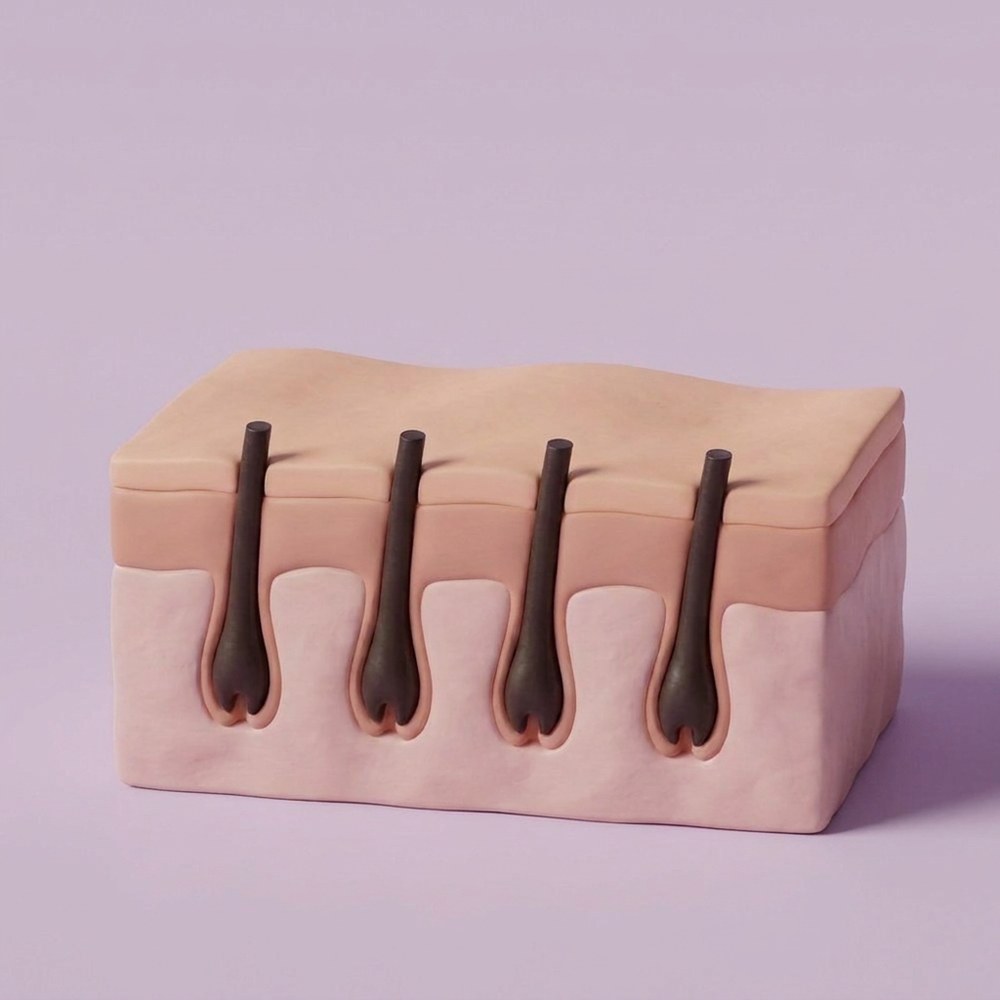
They only deal with the part of the hair you can see. The root is untouched, so the hair is back within days, along with the bumps, the nicks and the next pack of blades.

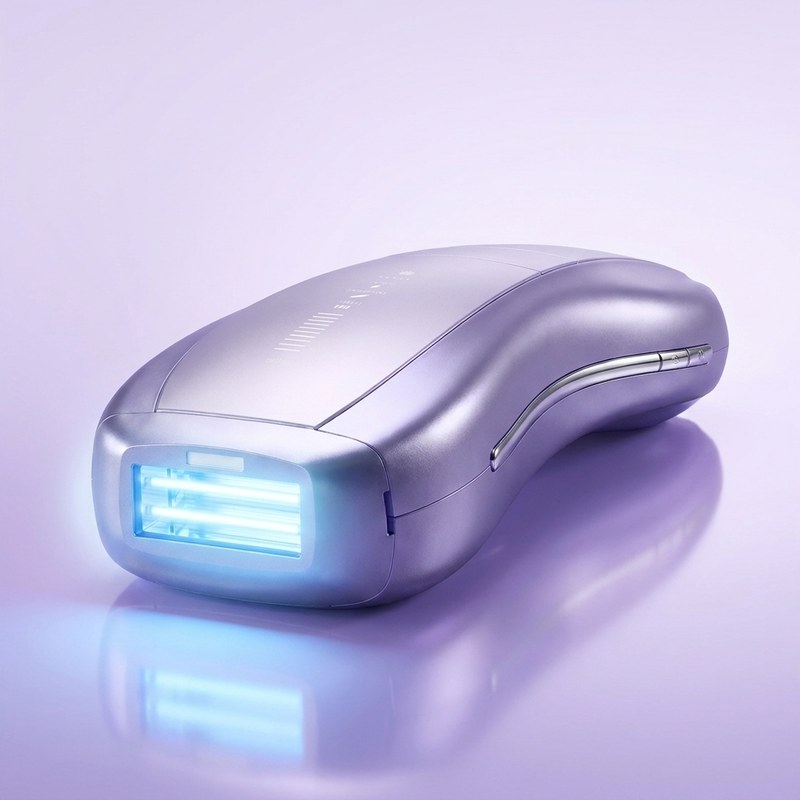
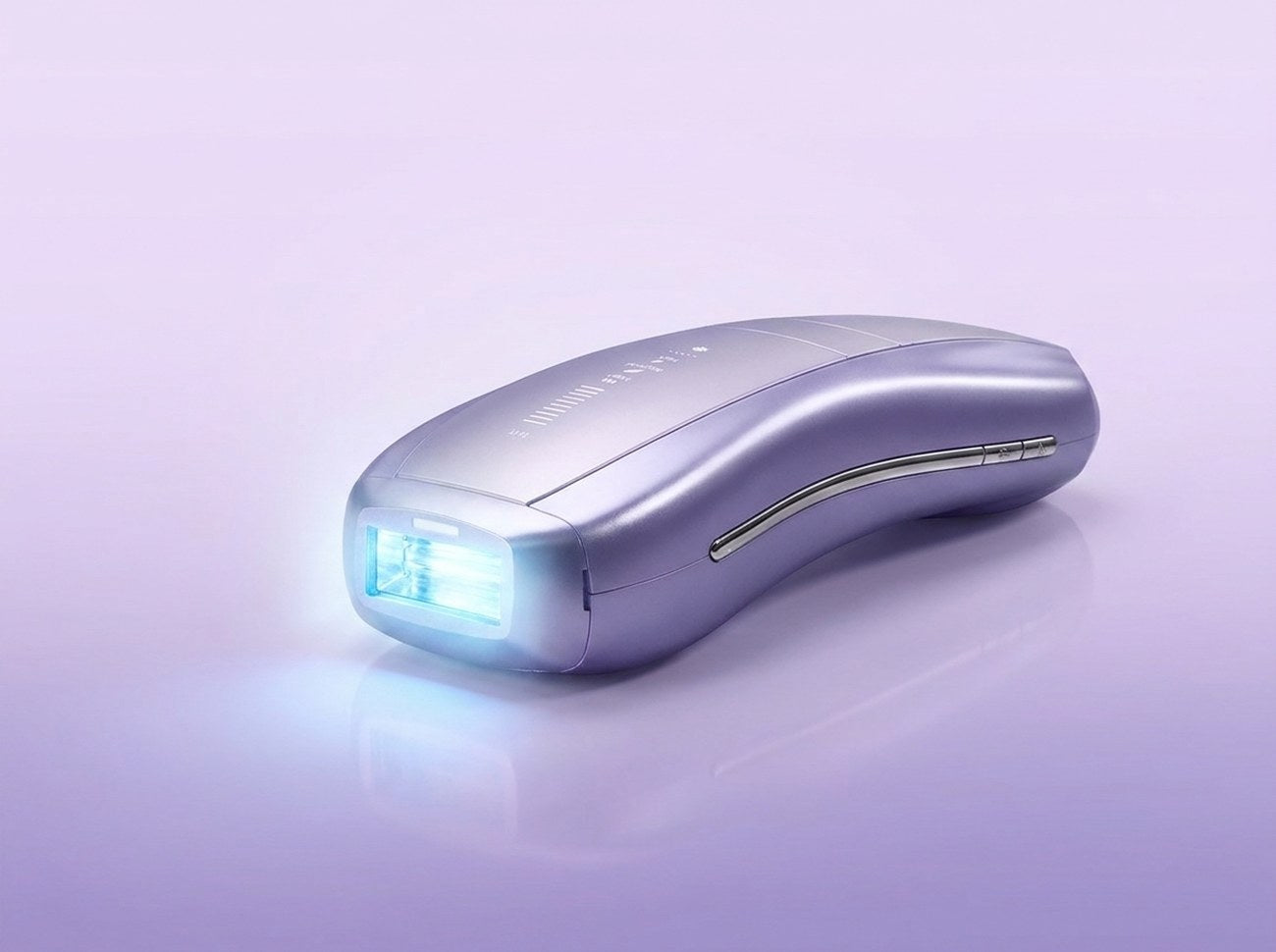
A closer look at hair removal with intense pulsed light, and why it works where razors don't.
They only deal with the part of the hair you can see. The root is untouched, so the hair is back within days, along with the bumps, the nicks and the next pack of blades.
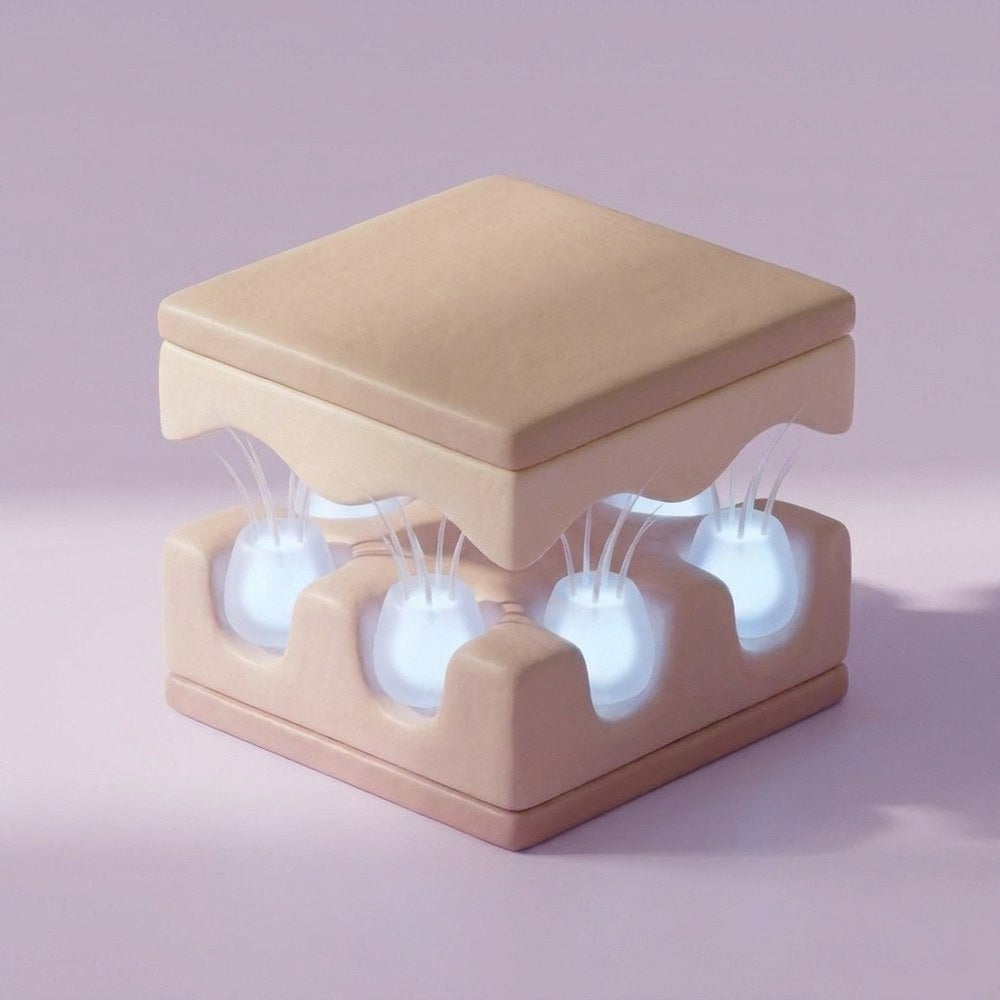
Light travels down the hair to the root, where the growing happens. Over repeated sessions, follicles slow down, so less hair comes back and what does is finer.
IPL targets melanin, the pigment in your hair. That's the whole trick.
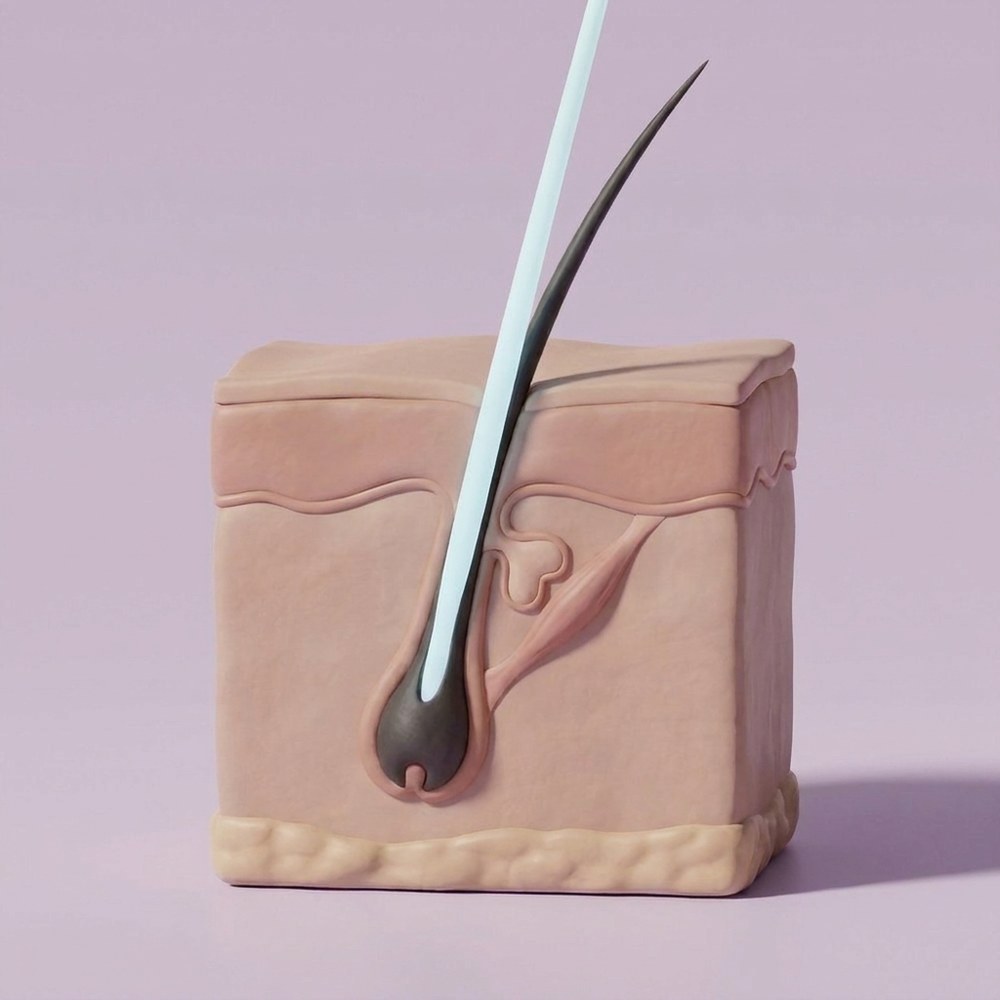
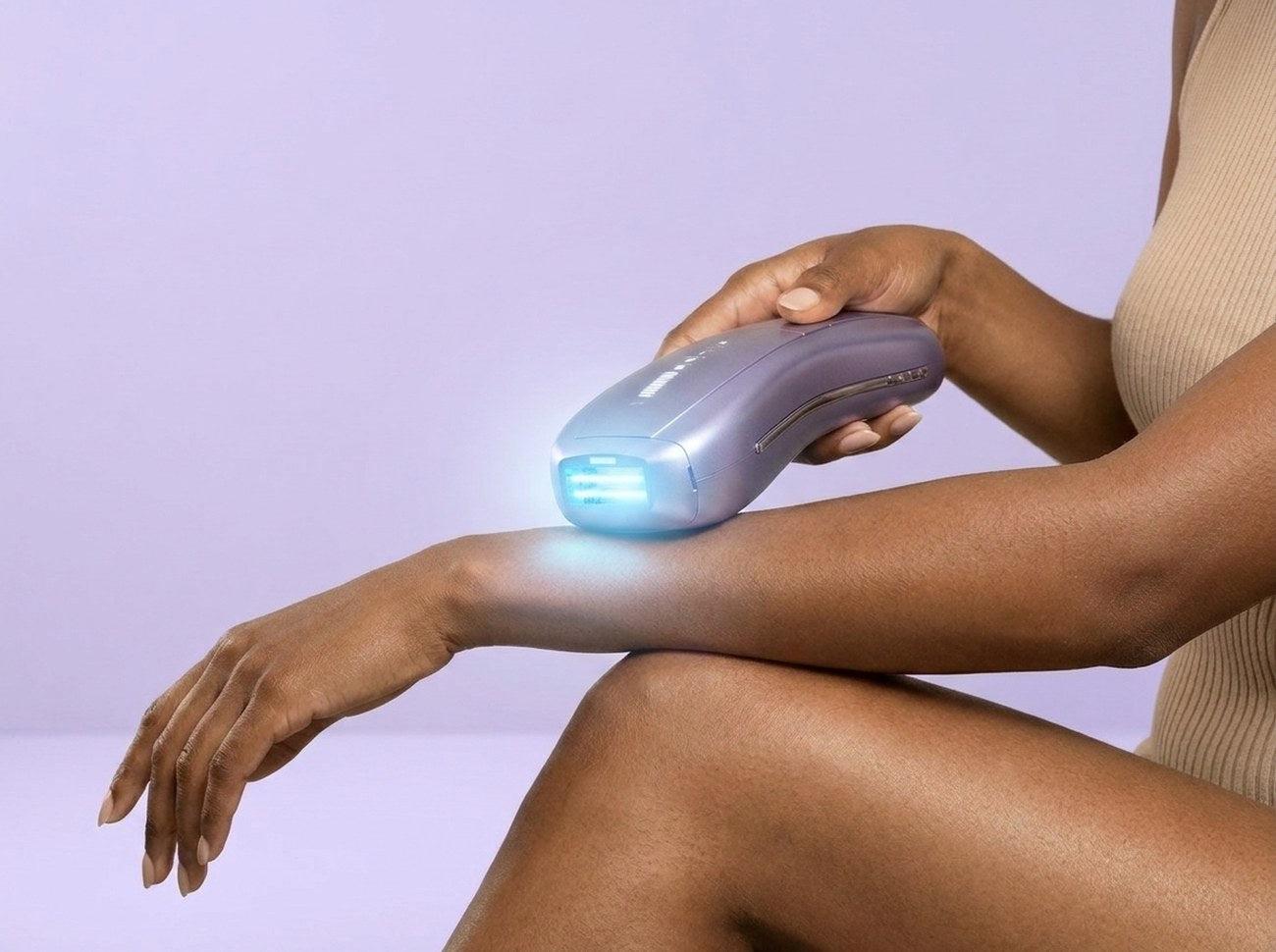
A flash passes through the skin's surface and is absorbed by the melanin in the hair.
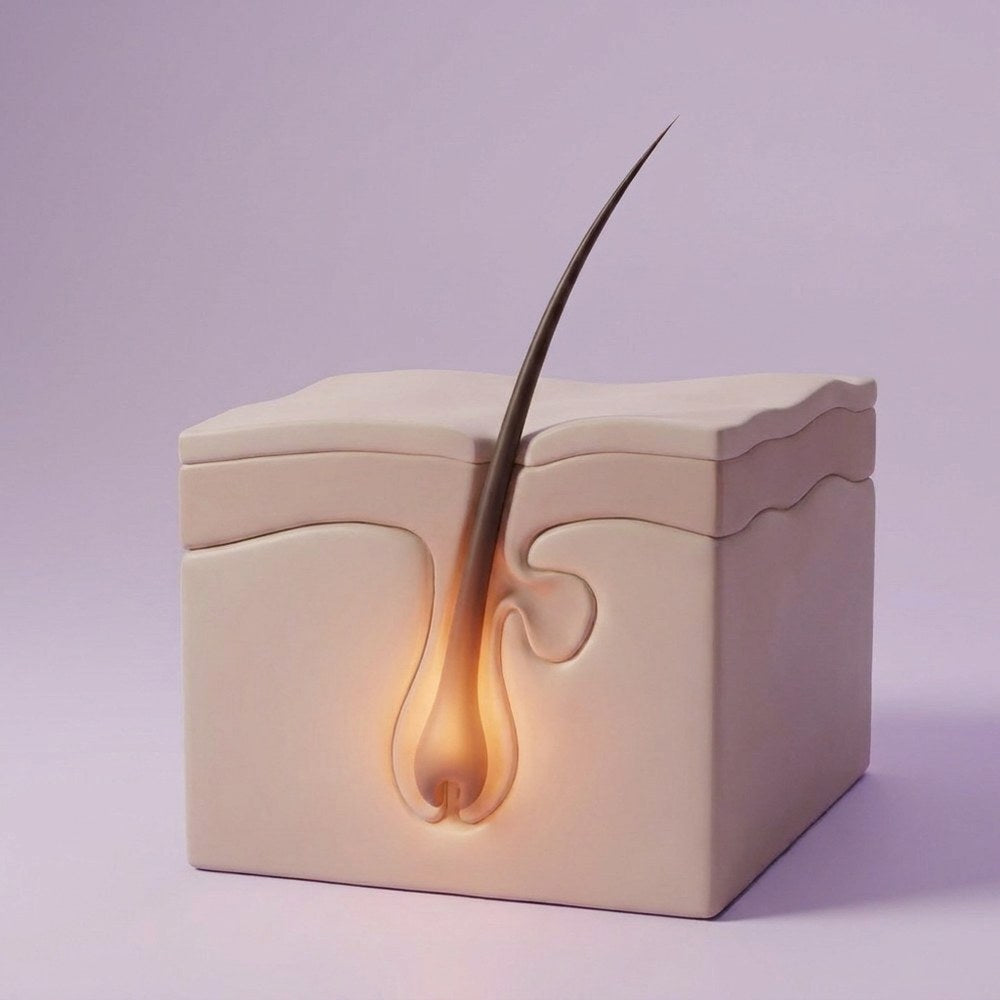
The light turns into heat at the root, which pushes the follicle into a resting phase.
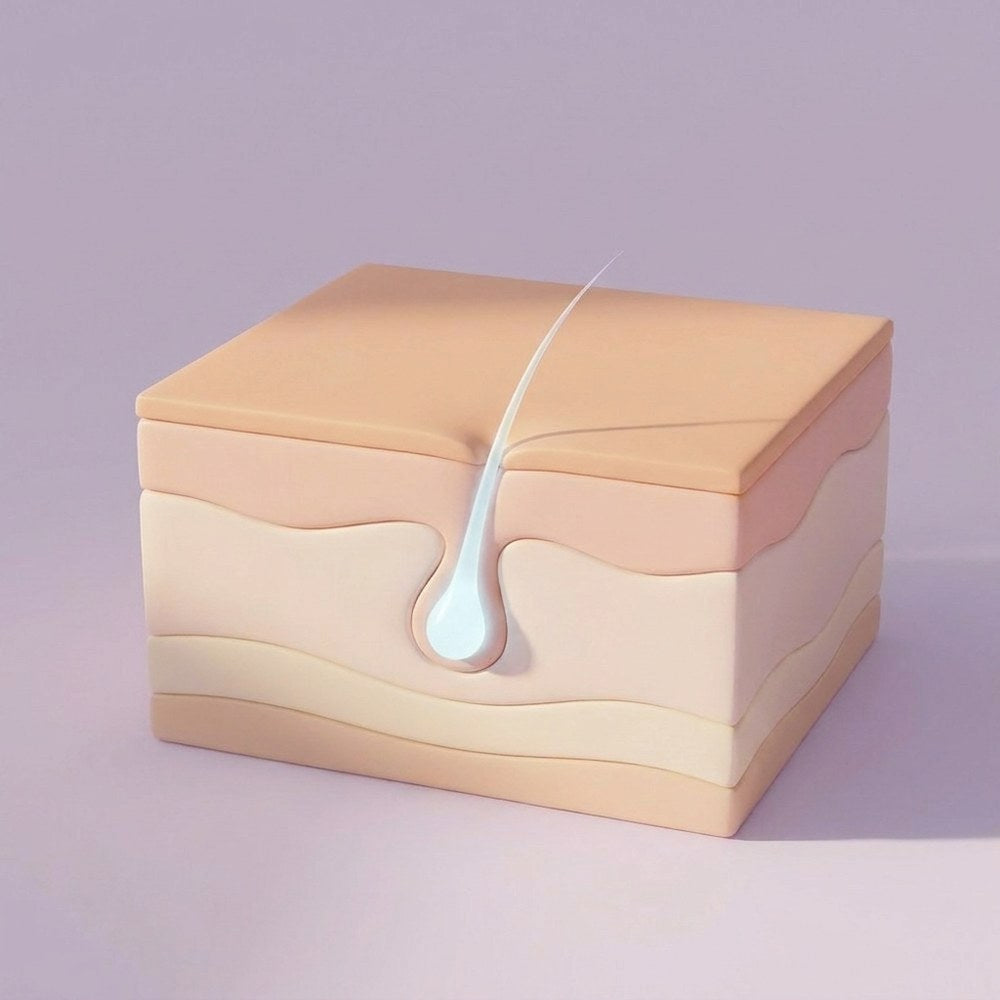
With consistent sessions, regrowth slows and thins until a monthly top-up is enough.
Every hair is on its own schedule. IPL works best on hairs in the growing phase, and at any moment that's only some of them. Repeat sessions catch each hair as it cycles round.
The science behind light-based hair removal goes back to 1983, when Anderson and Parrish described selective photothermolysis in Science: pick the right light and it heats a dark target while sparing what's around it.
At-home IPL has its own evidence. In a peer-reviewed trial of a lower-energy home device, 20 women averaged 72% less hair three months after their last of six treatments.
Select the options closest to your natural hair and skin color.
IPL works best on dark hair and fair to tan skin. It is least effective on blonde, gray and red hair, and is not suitable for very dark skin.
IPL targets melanin, the pigment in your hair, so how well it works depends on the color of both your hair and your skin. Lighter hair has less pigment to absorb the light, and darker skin absorbs more of it, which can be unsafe.
Say goodbye to the endless cycle of razors and trips to the clinic. With Glacier, you get laser-like results from the comfort of home.
Swipe to compare shaving and waxing →
| Feature | Glacier IPL | Salon laser | Shaving | Waxing |
|---|---|---|---|---|
| Long-lasting results | ||||
| Gentle on skin | ||||
| Nearly painless | ||||
| Quick sessions at home | ||||
| Lifetime cost | Only$259 | $1,000s | $10,207 | $23,000 |
Shaving and waxing: average US lifetime spend, American Laser Centers.
No. A laser uses a single wavelength of light in a tight beam. IPL uses a broad spectrum of light through a wider window. Both target the pigment in hair. Clinic lasers run at higher energy, while IPL covers more skin per flash and is built for use at home.
Think long-lasting reduction rather than permanent removal. Most people keep skin smooth with a top-up session about once a month. Hormonal changes can wake up new hair, and that's normal.
Most people describe a warm snap. Heat is what stings, which is why Glacier's sapphire window holds a 65°F contact temperature.
The light targets pigment. Darker skin holds more pigment and absorbs more light, which can cause burns. Glacier's sensor reads your skin before each flash and won't fire on tones too dark to treat.
IPL uses visible and near-infrared light, not X-rays or other ionizing radiation, and there's no established link to skin cancer. Never flash moles or dark spots, since it can hide changes a doctor would want to see, and ask a dermatologist about anything that looks different.
Ice-cooled IPL at home, in about 10 minutes. 100 days to try it, a 2-year warranty and free US shipping.
$259$349